
The Impact of Flexible Employee Benefits on Company Culture (2026)
- Employee Retention
- Employee Engagement
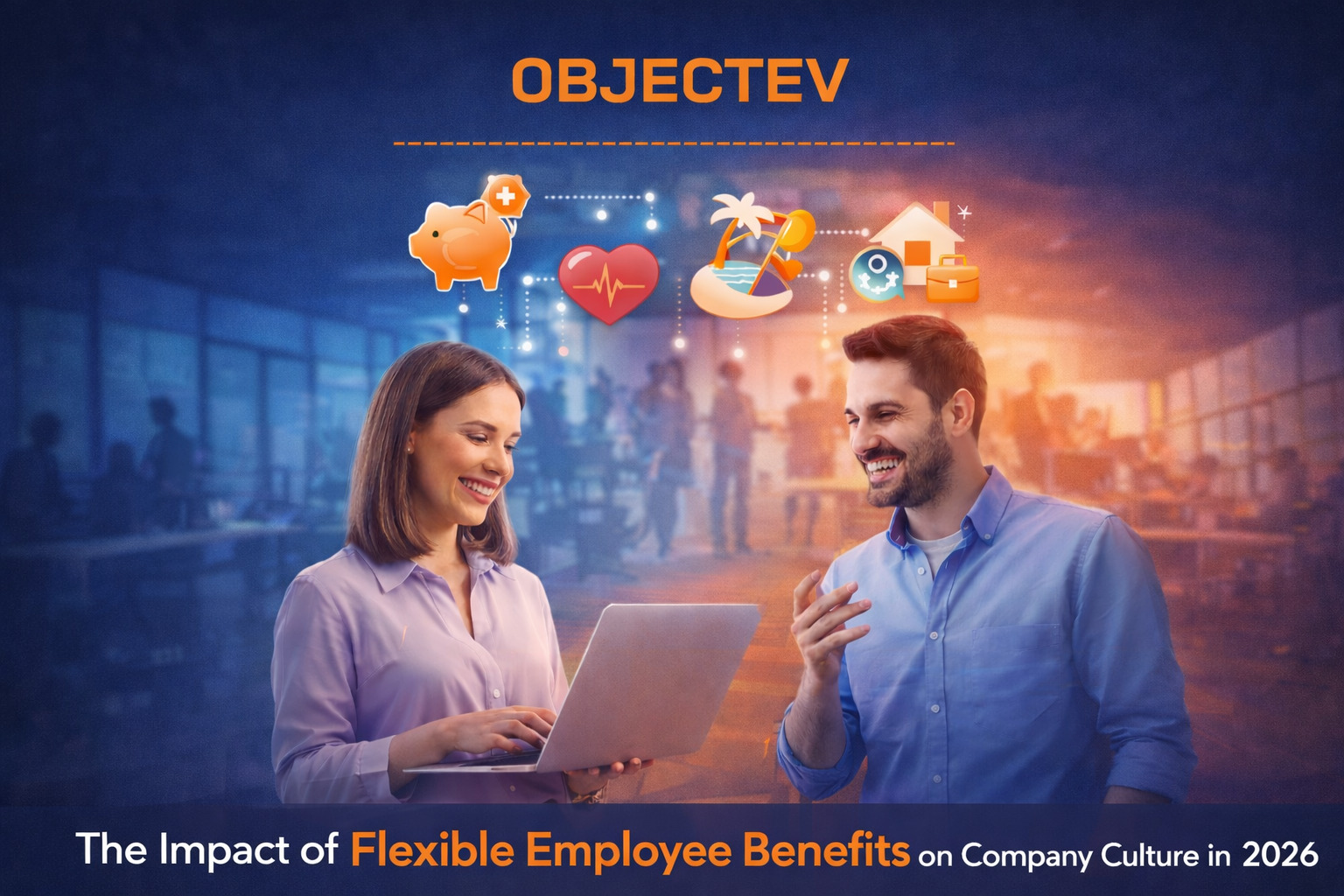
The Impact of Flexible Employee Benefits on Company Culture in 2026
Quick confession: I have watched too many teams lose their spark because benefits felt like a one-size-fits-all checkbox, not something that actually fit real lives.
In today’s evolving workplace, flexible employee benefits are no longer nice-to-have perks. They have become a core driver of company culture, employee engagement, and retention, especially as we move into 2026.
And here is the thing. Losing even one great person hits hard.
Gallup says replacing someone can cost 1.5–2x their salary. That is not just money out the door. It has lost momentum, missing knowledge and a team that suddenly struggles to stay in sync.
Company Culture, Employee Engagement & the Real Cost of Rigid Benefits
Think of your company culture like a high-performance engine.
Employee engagement is the fuel that keeps it running smoothly.
When engagement drops due to quiet quitting, burnout, or employees considering exit options, everything slows down:
- Turnover rises
- Productivity dips
- Team morale weakens
This is where benefit flexibility directly impacts workplace culture.
A Real Example: How Benefits Shape Retention & Culture
Let me tell you about Sarah
She was a mid-level manager at a growing tech firm. A strong performer. She loved her team. But juggling new parenthood with rigid employee benefits left her exhausted.
- No flexible hours
- Limited wellness support
- No say in which benefits mattered to her
She felt stuck.
Eventually, she left for a company that allowed her to choose benefits aligned with her life stage.
The impact?
- Her old team lost rhythm for months
- New hires took time to ramp up
- Culture and momentum took a hit
Flip that story, and you understand why flexible benefits matter for company culture.
What the Data Says About Flexible Employee Benefits
Gallup is clear:
Prioritising personal and professional growth increases:
- Productivity by 21%
- Profitability by 23%
Voluntary turnover is reduced by up to 43% in highly engaged companies
Why does this happen?
Because flexible employee benefits send a powerful signal.
“We see you. We trust your choices.”
That trust becomes the foundation of a strong people-first culture.
Flexible Benefits in 2026: Meeting Employees Where They Are
Engagement is not a poster on the wall!
It is the oxygen in the room!
In 2026, flexible benefits including:
- Learning allowances
- Employer-funded personal and professional development paths
- Mental health days
- Hybrid and flexible work models
directly fuel that oxygen.
They acknowledge that employees have different priorities, life stages, and needs, and culture thrives when benefits adapt accordingly.
How Objectev Supports Flexible Employee Benefits & Culture
This is where Objectev comes in. Objectev integrates directly into where your team already works and helps organizations turn benefits into daily culture drivers rather than passive policies.
It lives where your team already works and delivers:
- Embedded feedback loops that keep improvement constant and culture alive
- Local subject matter experts delivering educational presentations on a wide variety of topics—from mindfulness to AI strategy
- Personal + professional development paths built into daily workflow, not tacked on as an afterthought
- Analytics that show exactly where your culture’s winning (or leaking)
This approach strengthens employee engagement, retention, and trust, all of which are critical business signals in 2026.
What a Strong Benefits-Driven Culture Looks Like
Imagine this!
One year from now:
- Your team is not just showing up. They are thriving
- Benefits feel personal
- Growth feels intentional
- Engagement feels natural
Turnover goes down.
Energy goes up.
That close-knit culture every company wants becomes stronger than ever.
What would that look like for your team?
Hit reply or book a 15-minute demo here:
Book a demo now
I’ll walk you through exactly how Objectev fits your team
No pitch. Just proof.
Your people are your edge. Let us keep them sharp.
Quick FAQs on Flexible Benefits & Engagement
1. What are flexible employee benefits?
Flexible employee benefits allow employees to choose options that match their current needs, such as customisable wellness stipends, mental health support, learning budgets, or hybrid work options, rather than a rigid one-size-fits-all package.
2. Why are flexible benefits important?
Because they demonstrate trust and genuine care. When benefits align with personal needs such as parenthood, well-being, or skill development, employees feel valued. This directly drives commitment and performance.
3. How much can flexible benefits really cut turnover?
Gallup data shows that engaged teams can reduce voluntary turnover by up to 43%. Flexible options sustain that engagement by reducing burnout and increasing long-term loyalty.
4. Do flexible benefits support personal and professional growth?
Absolutely. Many flexible benefit programs include development paths and expert-led sessions covering topics such as mindfulness, finance, health, leadership, and career skills, supporting growth without forcing participation.
5. How can leaders measure if benefits are strengthening company culture?
By tracking feedback and usage data. Platforms with built-in analytics make it easier to identify where engagement is high and where benefits may need adjustment.